
Last Updated on February 16, 2025 by Kathrin Kirsch
For years, SEOs have relied on traditional keyword research—focusing on high-volume, low-competition keywords. However, this approach is now falling short. Why? Because Google has evolved beyond simple keyword matching. Today, search intent is the driving force behind rankings. If you’re not optimising for intent, you’re attracting the wrong traffic.
So, how do you fix it? This guide will walk you through the limitations of traditional keyword research, the role of AI in search, and how to shift your SEO strategy to align with intent-driven content.
Table of Contents
1. Why Traditional Keyword Research No Longer Works
The old-school method of keyword research involved:
- Finding high-volume, low-competition keywords
- Creating content around those terms
- Stuffing articles with exact-match keywords
But this method has a major flaw—it ignores user intent.
Let’s take the keyword “running shoes.” A high search volume doesn’t tell you why people are searching for it. Are they looking to buy running shoes? Read reviews? Learn about different types? Without intent, you risk attracting visitors who won’t convert.
Google no longer ranks pages just because they contain certain keywords. Instead, it prioritises content that matches the searcher’s intent. That’s why traditional keyword research free tools often lead SEOs astray.
2. Google is an AI-Powered Search Engine
Google isn’t just a search engine—it’s an AI-driven ecosystem that:
- Interprets search intent
- Understands content context
- Prioritises user experience
Instead of merely scanning for key words in research, Google now evaluates relevance and usefulness. Even if a page doesn’t contain an exact-match keyword, it can still rank well if it aligns with search intent.
For example, a search for “best DSLR cameras” might surface a comparison guide rather than a generic blog post. This shift means SEOs need to optimise for search intent, not just keywords.
3. The Best Way to Understand Intent? Analyse SERPs
If you want to know what Google considers relevant content, just look at the search results pages (SERPs).
Let’s say you’re targeting the keyword “chocolate cake recipe.” A quick SERP analysis will show:
- Recipe sites ranking at the top
- No e-commerce stores in sight
That means searchers want to bake a cake, not buy one. If you were running a bakery and targeting this keyword, you’d be attracting the wrong audience.
This is why blindly following a keyword research tool Google provides can lead to poor conversion rates. Instead, analyse SERPs to understand intent before creating content.
4. How to Align Traditional Keyword Research with Search Intent
Shifting from traditional keyword research to intent-based optimisation requires a structured approach:
Step 1: Identify Core Search Intents
Before researching keywords, define search intents that align with your business. Some common types include:
- Transactional (e.g., “buy running shoes online”)
- Informational (e.g., “how to clean white sneakers”)
- Navigational (e.g., “Nike official store”)
Here’s how to identify search intent:
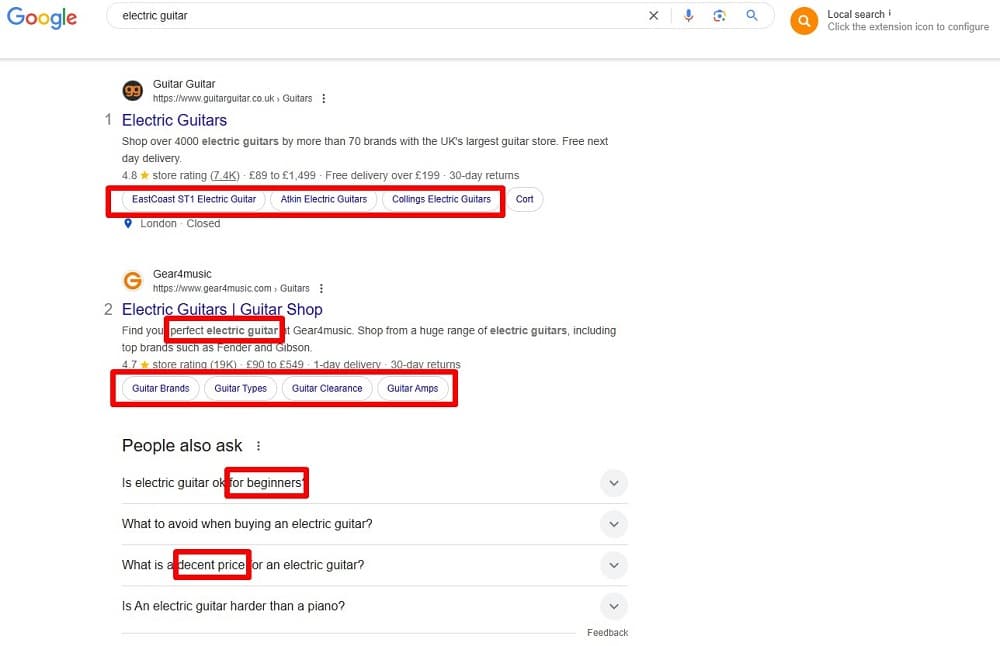
Step 2: Filter Keywords by Intent
Instead of just focusing on search volume, evaluate keywords based on:
- Purchase intent
- Action-driven searches
- Relevance to your business
For example, a long tail keyword generator might suggest terms like “best running shoes for flat feet.” While it has lower volume, it’s highly targeted and more likely to convert.
Step 3: Match Content Format to Intent
Different queries require different content formats:
- Product comparisons (“Best DSLR cameras under £500”)
- Buying guides (“How to choose a gaming laptop”)
- Interactive tools (e.g., KDP keyword search volume tools)
By aligning content with search intent, you increase both engagement and conversions.
5. Create Content That Converts
Middle-of-the-funnel content is more effective than generic blog posts. Some high-performing formats include:
- Comparison articles (“MacBook vs. Windows Laptop: Which One is Better?”)
- Niche buying guides (“Ultimate Guide to Ergonomic Office Chairs”)
- AI-powered tools (e.g., AI keyword generator for SEO)
- Videos & interactive content
Instead of chasing keyword magic tool free suggestions, focus on what actually engages users.
6. AI is Useful, But Customer Insights Matter More
AI tools are great for analysing SEO research tool data, but they can’t replace human insights. The best way to understand search intent? Talk to real customers.
If direct customer access isn’t possible, try:
- Reading customer chat logs
- Analysing FAQ pages
- Consulting sales teams for common customer questions
By combining AI insights with real-world feedback, you can create content that resonates with users and ranks well.
Conclusion
The days of traditional keyword research are numbered. Google now prioritises search intent, making it crucial for SEOs to shift their approach.
To succeed, focus on: ✅ Analysing SERPs to understand real intent ✅ Filtering keywords based on purchase potential ✅ Choosing the right content formats ✅ Using customer insights alongside AI tools
By embracing intent-driven SEO, you’ll attract the right audience, improve conversions, and future-proof your content strategy. Ready to optimise smarter?
FAQs
1. What is the importance of keyword research in SEO?
Keyword research helps identify what users are searching for, allowing businesses to create relevant content that ranks well and drives traffic.
2. Is traditional keyword research free still effective?
While free tools are useful, relying solely on them without considering search intent can lead to poor results.
3. What is the best SEO research tool for understanding search intent?
Analysing SERPs manually is the most effective method, but tools like Google Search Console and AI keyword generators can provide additional insights.
4. Can a long tail keyword generator improve conversions?
Yes! Long-tail keywords are often more specific and intent-driven, leading to higher engagement and better conversion rates.